Connecting Rod Bearing: What It Does and When to Replace It
- seoapiuser
- 2026-07-30
- 1
A connecting rod bearing rarely gets attention until it fails, and by then the knocking is hard to ignore. This thin sleeve sits between the crankshaft and the connecting rod, carrying every combustion pulse down into rotating motion. For anyone running diesel engines in construction equipment, knowing how a connecting rod bearing works, and when it needs replacing, saves both downtime and far more expensive damage down the line.
What Is a Connecting Rod Bearing?
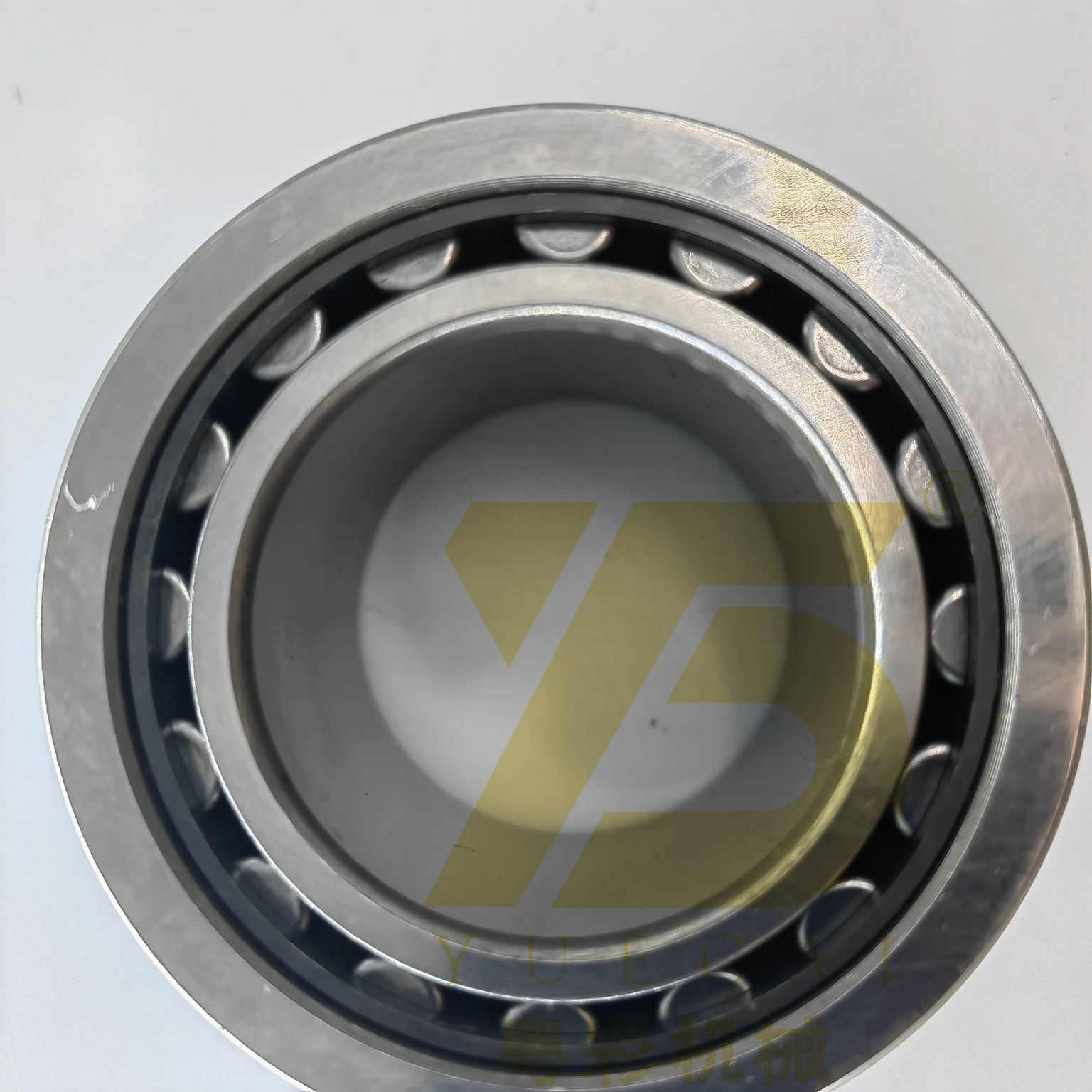
It is a split, semi-circular shell that wraps around the crankshaft journal, holding the connecting rod in place while letting it rotate freely. The bearing itself never touches bare metal under normal operation. A thin film of pressurized oil, only a few thousandths of an inch thick, separates the two surfaces through what engineers call hydrodynamic lubrication. Most are made from layered materials such as babbitt, copper-lead, or aluminum-tin alloys, chosen for their ability to embed small debris rather than let it score the crankshaft.
Why Do Connecting Rod Bearings Fail?
Bearing failure is almost always a symptom of something else going wrong upstream, not a random defect. The common triggers include:
- Oil starvation from a worn oil pump, clogged pickup screen, or low oil level
- Contamination, where dirt, coolant, or fuel dilutes the oil film's strength
- Overloading, from lugging the engine at low RPM under heavy load
- Incorrect clearance, either too tight from a bad rebuild or too loose from crankshaft wear
- Corrosion, when acidic byproducts build up in oil that has gone past its service interval
Any one of these can break down the oil film fast enough to cause metal-to-metal contact within minutes.
What Are the Warning Signs of a Worn Bearing?
A rod bearing rarely fails silently. The clearest sign is a deep, rhythmic knock that gets louder under acceleration, often called rod knock. Other indicators tend to show up together rather than alone.
| Symptom | Likely Cause |
|---|---|
| Knocking noise under load | Excess bearing clearance |
| Sudden oil pressure drop | Bearing wear allowing oil bypass |
| Metallic flakes in oil filter | Bearing material shedding |
| Rising oil temperature | Increased friction from bearing damage |
If more than one of these appears at once, it is worth pulling an oil sample or oil filter for inspection before the engine runs any further.
How Much Does a Connecting Rod Bearing Replacement Cost?
The honest answer is that it depends heavily on engine size, labor rates, and how much teardown is required to reach the bearing. On smaller diesel engines the job may only involve dropping the oil pan, while larger construction equipment engines often require removing surrounding components or the engine itself, which adds significant labor hours. Because pricing varies so much by region, engine model, and whether it is a single bearing or a full set, it is best to get a quote based on the specific engine and current parts pricing rather than relying on a general estimate.
How Can You Extend the Life of a Connecting Rod Bearing?
Most premature bearing wear traces back to oil quality and oil pressure, not the bearing material itself. Sticking to manufacturer-recommended oil change intervals, using the correct viscosity grade, and replacing oil filters on schedule all protect the oil film that keeps the bearing running. Avoiding sustained low-RPM, high-load operation also matters, since that is when oil film pressure is weakest relative to the load on the bearing.
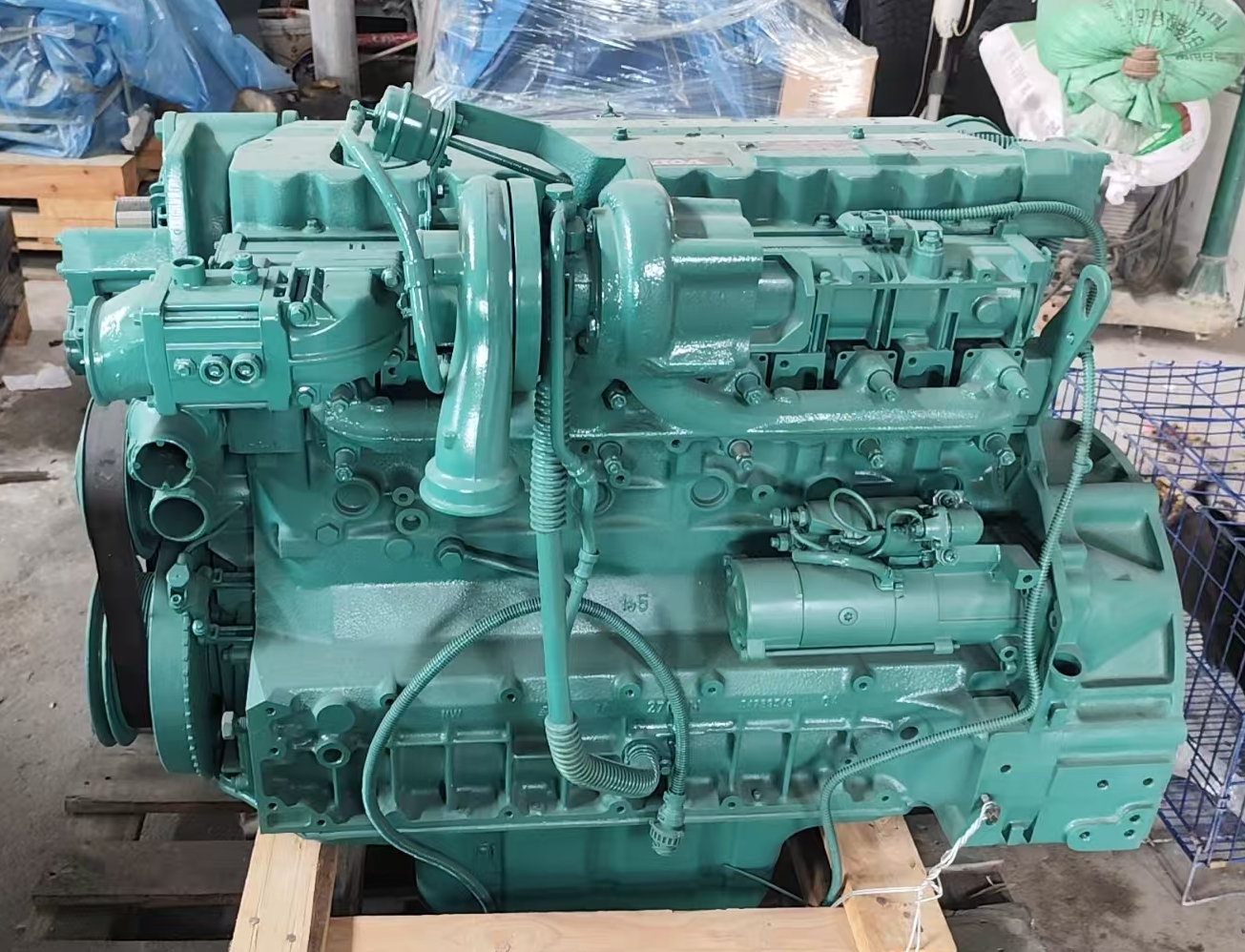
For us, working with Caterpillar and Volvo diesel engines daily, one pattern shows up often: a worn oil pump or degraded main bearing gets overlooked while attention stays on the connecting rod bearing alone. Checking oil pressure at operating temperature, not just at startup, gives a more honest picture of lubrication health across the whole engine.
Is It Safe to Run an Engine With a Worn Rod Bearing?
No, and this is worth being direct about. Once rod knock is audible, the clearance is already well beyond spec, and continued operation risks the bearing spinning or the rod breaking through the engine block. That kind of failure usually destroys the crankshaft and block along with the connecting rod bearing itself, turning a moderate repair into a full engine rebuild.
Catching the early signs, low oil pressure, a faint tapping, or metal in the filter, gives enough warning to schedule a proper repair instead of an emergency one. A connecting rod bearing is a small part, but the cost of ignoring its warning signs is rarely small.
Related Blogs
-

Infrastructure Boom Drives Global Surge in Excavator Parts Demand
-
The Future Trajectory of the Excavator Industry: A Glimpse into the Upcoming Trends
-
The Future of Excavation: How Technology and Sustainability Are Reshaping the Industry
-
Optimize Excavator Output with a Durable and Intelligent Engine Controller System
-
Smart Excavator Engine Controller Upgrades for Better Control and Machine Stability
Give Us What You Need
SUBSCRIBE
INQUIRY