
Engine Turbocharger Selection Guide for Diesel Engine Applications
- jumi
- 2026-01-28
- 28
Turbochargers play a key role in modern diesel engine applications, especially in heavy-duty machinery such as excavators, wheel loaders, and construction equipment. Selecting the right turbocharger is not only about increasing engine power, but also about improving fuel efficiency, maintaining engine reliability, and extending service life under demanding operating conditions.
This guide provides a practical overview of how to choose the right turbocharger for diesel engines, with a focus on real-world construction equipment applications and compatible engine systems commonly used in large excavators.
Understanding the Role of a Turbocharger in Diesel Engines
A turbocharger is designed to increase engine efficiency by compressing the intake air, allowing more oxygen to enter the combustion chamber. In diesel engines, this improved air supply leads to more complete fuel combustion, resulting in higher torque output, better fuel utilization, and reduced emissions.
For heavy construction equipment, turbochargers are especially important. Diesel engines in excavators often operate under high load, low-speed conditions for extended periods. A properly selected turbocharger ensures stable power delivery, strong low-end torque, and consistent performance during continuous operation.
Why Turbocharger Selection Matters for Heavy Equipment
Unlike light-duty vehicles, diesel engines used in construction machinery face extreme working environments. These engines are exposed to long operating hours, fluctuating loads, dust, vibration, and high exhaust temperatures. Choosing an unsuitable turbocharger can lead to premature wear, power loss, or increased maintenance costs.
A well-matched turbocharger supports the engine’s design characteristics and helps maintain optimal combustion efficiency. This directly impacts machine productivity, operating cost, and overall reliability on the job site.
Key Factors to Consider When Selecting a Diesel Engine Turbocharger
Engine Compatibility and Application Matching
The most critical factor in turbocharger selection is compatibility with the engine model and application. Turbochargers are engineered for specific engine configurations, including displacement, airflow demand, and exhaust system design.
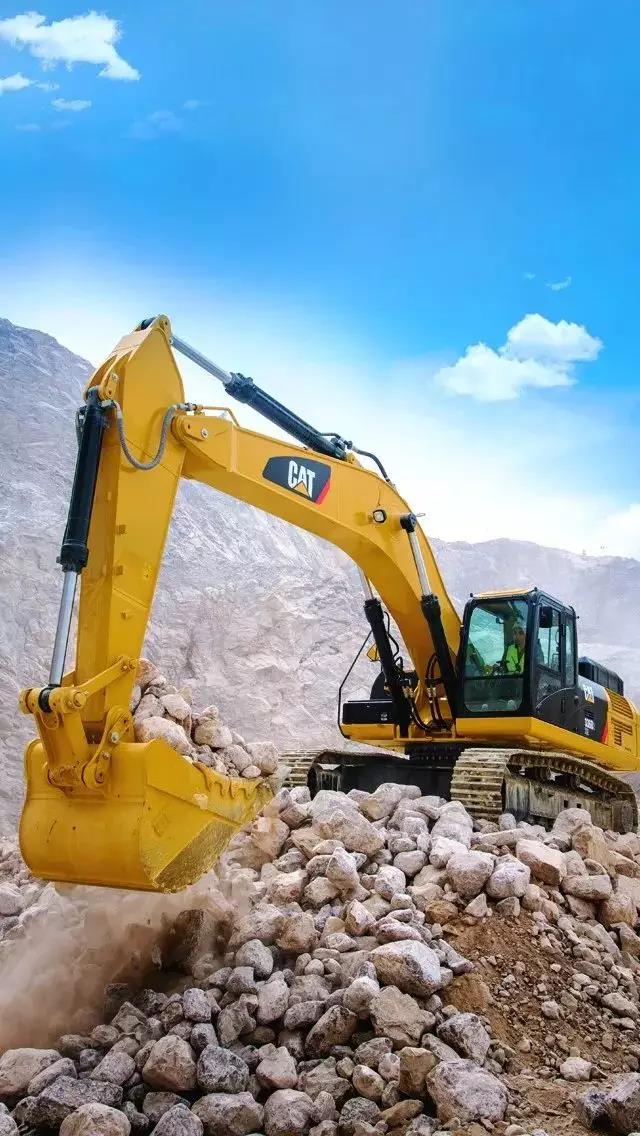
In heavy excavator applications, turbochargers are commonly matched to large diesel engines such as C18-class engines used in models like 988H, 385C, and 390D excavators. These engines require turbochargers capable of handling high exhaust energy while delivering stable boost pressure across a wide operating range.
Ensuring correct part matching reduces installation issues and helps preserve engine performance and durability.
Boost Pressure and Performance Requirements
Different diesel engines have different boost pressure requirements depending on their design and intended use. Construction equipment engines typically prioritize:
- Strong low-speed torque
- Smooth boost response under load
- Stable air pressure during continuous operation
A turbocharger designed for excavator applications is optimized to provide consistent airflow without excessive lag, supporting efficient power delivery during digging, lifting, and material handling operations.
Durability Under Harsh Operating Conditions
Turbochargers used in diesel construction equipment must withstand extreme conditions. High exhaust temperatures, continuous vibration, and dusty environments place huge stress on turbocharger components.
Key durability considerations include housing material strength, bearing system stability, and rotor balance quality. Turbochargers designed for heavy machinery are built with sturdy materials and manufacturing processes to ensure long service life even under severe workloads.
Reliability is particularly important in construction projects, where equipment downtime can result in severe delays and increased costs.
Fuel Efficiency and Combustion Optimization
A properly selected turbocharger contributes directly to fuel efficiency. By delivering the correct volume of compressed air, the turbocharger helps achieve more complete fuel combustion. This not only improves power output but also reduces fuel consumption over long operating hours.
For fleet operators and contractors, improved fuel efficiency translates into lower operating costs and better return on equipment investment, especially for machines running daily in demanding environments.
Availability and Maintenance Considerations
Beyond performance, availability and service support are important factors in turbocharger selection. Construction equipment often operates on tight schedules, making fast replacement and easy access to parts essential.
Turbochargers that are readily available, properly packaged, and supported with clear part identification help minimize downtime during maintenance or repairs. Standardized fitment also simplifies installation and reduces the risk of errors.
Typical Turbocharger Applications in Excavator Engines
Turbochargers used in large excavators are designed to support high-output diesel engines commonly found in mining, infrastructure, and earthmoving projects. These applications demand reliable boost performance during prolonged operation at varying loads.
In excavator engines such as those used in 988H, 385C, and 390D models, turbochargers are a key component in maintaining engine responsiveness and productivity. Proper turbocharger selection ensures that the engine can handle both peak load conditions and extended idle or low-speed operation efficiently.
Installation Best Practices for Diesel Turbochargers
Correct installation is essential to achieve the expected performance and lifespan of a turbocharger. During installation, attention should be paid to oil supply lines, exhaust connections, and air intake sealing.
Ensuring clean oil flow, correct torque settings, and proper alignment helps prevent early failure. It is also recommended to inspect related components such as intercoolers, air hoses, and exhaust systems to ensure overall system integrity.
Routine Maintenance and Inspection
Even high-quality turbochargers require regular inspection as part of standard engine maintenance. Monitoring oil quality, checking for abnormal noise, and inspecting boost pressure stability can help detect issues early.
Preventive maintenance not only protects the turbocharger but also supports the overall health of the diesel engine, reducing long-term repair costs and improving equipment availability.
Common Mistakes in Turbocharger Selection
One of the most common mistakes is selecting a turbocharger based solely on physical fit rather than engine performance requirements. Incorrect airflow capacity or boost characteristics can lead to reduced efficiency or increased engine stress.
Another common issue is overlooking operating conditions. Turbochargers designed for lighter-duty applications may not perform reliably in heavy construction environments, leading to shortened service life.
Careful evaluation of engine specifications and application demands helps avoid these problems.
Conclusion: Choosing the Right Turbocharger for Diesel Applications
Selecting the right turbocharger for diesel engine applications is a strategic decision that impacts engine performance, fuel efficiency, and long-term reliability. For heavy equipment such as excavators, the turbocharger must be carefully matched to the engine model, workload, and operating environment.
By focusing on compatibility, durability, and performance requirements, equipment owners and maintenance teams can ensure their diesel engines operate efficiently and reliably in demanding construction conditions. A well-selected turbocharger is more than a performance upgrade—it is a key contributor to overall machine productivity and operational success.
Related Blogs
-

Infrastructure Boom Drives Global Surge in Excavator Parts Demand
-
The Future Trajectory of the Excavator Industry: A Glimpse into the Upcoming Trends
-
The Future of Excavation: How Technology and Sustainability Are Reshaping the Industry
-
Optimize Excavator Output with a Durable and Intelligent Engine Controller System
-
Smart Excavator Engine Controller Upgrades for Better Control and Machine Stability

Give Us What You Need
SUBSCRIBE
INQUIRY