
Key Indicators of Piston Ring Wear in Heavy Machinery Engines
- jumi
- 2026-06-30
- 26
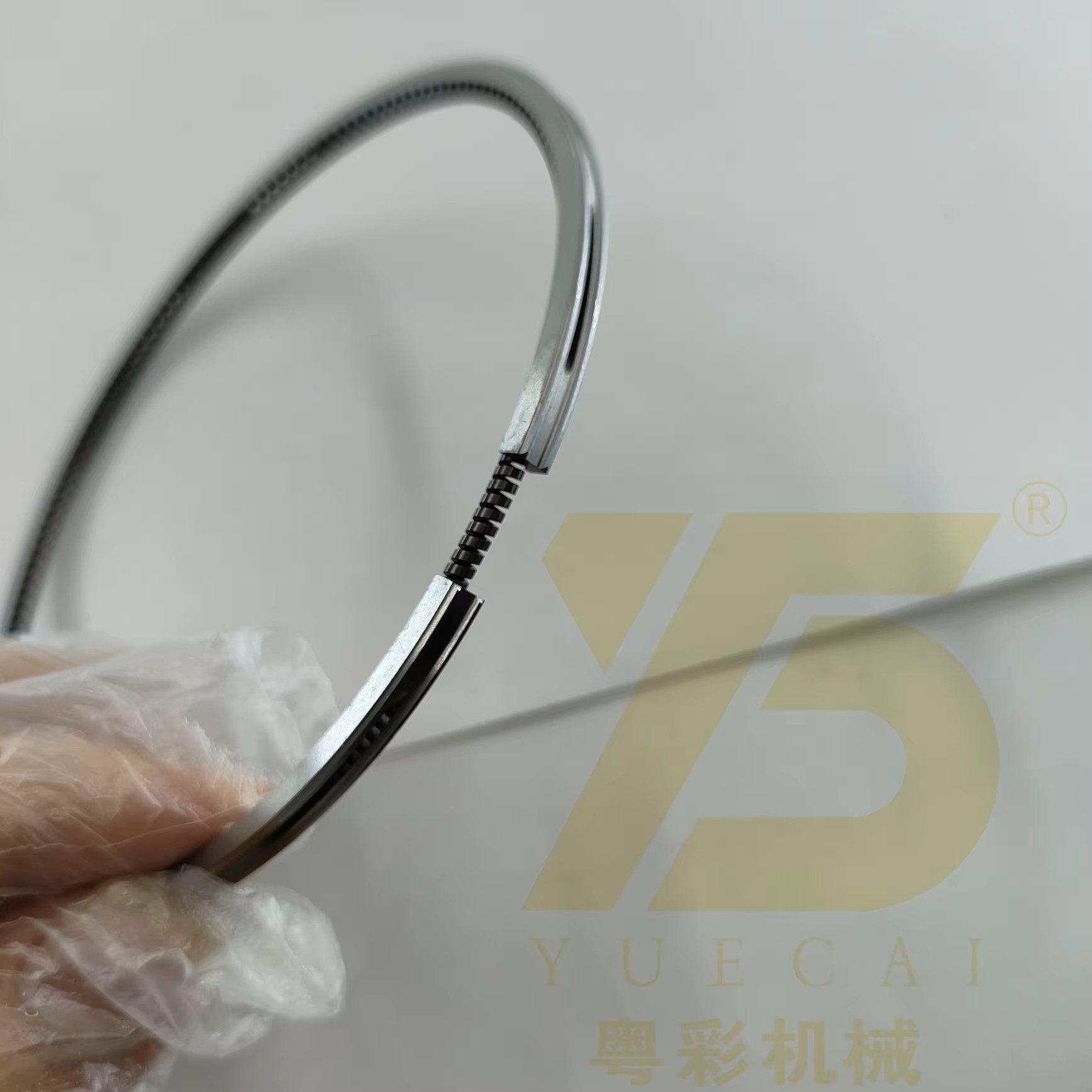
Heavy machinery engines endure brutal operating environments daily. Inside these massive powerhouses, a silent crisis often brews right within the combustion chamber. The piston ring plays a critical role in maintaining compression, yet its gradual degradation remains largely invisible to the untrained eye. Understanding the precise indicators of this wear is what separates proactive fleet managers from those facing catastrophic, budget-breaking engine failures.
Symptoms of Ring Failure: Diagnosing the Early Warning Signs
The first warning sign usually emerges from the exhaust stack. When you notice a steady stream of blue-grey smoke, oil is escaping past the seal. This phenomenon indicates that the components can no longer scrape the cylinder walls effectively.
Engine oil migrates upward into the combustion zone. It burns alongside the diesel fuel, creating distinctively colored emissions and fouling expensive exhaust aftertreatment systems.
| Symptom | Immediate Operational Impact |
|---|---|
| Blue-grey exhaust smoke | Oil burning in combustion chamber |
| High crankcase pressure | Severe blow-by gas leakage |
| Sudden power drop | Loss of critical compression |
Blow-by is another severe consequence of advanced component degradation. High-pressure combustion gases force their way downward into the oil pan. This creates excessive crankcase pressure, pushing oil out through seals and breathers.
Operators might notice a sudden drop in engine responsiveness during heavy excavations. The machine struggles against familiar loads, consuming significantly more fuel just to maintain standard hydraulic flow.
The Mechanics of Wear: Why Construction Equipment Accelerates Degradation
Construction sites are inherently hostile to precision engine components. Fine abrasive dust routinely bypasses substandard air filtration systems, entering the intake stream. These microscopic particles act like grinding paste between the moving surfaces.
Thermal stress further compounds this abrasive action during prolonged peak-load operations. When an excavator works continuously in extreme ambient temperatures, the oil film thins out dangerously.
Metal-to-metal contact occurs, micro-welding the component surfaces momentarily before tearing them apart. This adhesive wear rapidly destroys the specialized outer coatings designed to reduce friction.
Fuel dilution represents a subtle, non-intuitive cause of accelerated component degradation. Unburnt diesel washes down the cylinder walls when injectors malfunction or deliver improper spray patterns. This localized fuel wash destroys the vital lubricating boundary layer instantly.
Diagnostic Benchmarks: Technical Methods for Verifying Cylinder Sealing
Visual inspection alone cannot accurately confirm internal combustion chamber integrity. Technicians rely on structured compression testing to establish precise baselines for each individual cylinder. A significant variance between cylinders indicates targeted localized sealing failure.
The cylinder leakage test provides a deeper look into the exact path of escaping pressure. By introducing compressed air into a locked cylinder, technicians can listen closely for air escaping.
[Compressed Air Input]
         |
         v
Cylinder Leak Test


[Air from Breather]    [Air from Exhaust]       [Air from Intake]
         |                     |                        |
         v                     v                        v
Piston Ring Wear       Exhaust Valve Leak       Intake Valve Leak
Air hissing from the oil filler cap points directly to a compromised piston ring profile. If air escapes through the exhaust pipe or intake manifold instead, valves are the primary culprit.
Advanced diagnostic shops utilize digital pressure transducers connected to high-speed oscilloscopes. This specialized equipment captures dynamic pressure waves in real-time during engine cranking cycles. The resulting waveform graph visualizes minor sealing anomalies that traditional mechanical gauges completely miss.
Proactive Replacement Protocols: Safeguarding the Engine Block
Waiting for total component failure invites catastrophic financial consequences. A broken ring can easily fracture, scoring the cylinder liner deeply within seconds. This turns a standard top-end overhaul into a complex, incredibly expensive block-machining project.
Establishing strict maintenance intervals based on actual operating hours prevents these nightmare scenarios. For heavy earthmoving equipment, conducting deep diagnostic checks every two thousand operating hours is standard practice.
For us, ensuring the absolute precision of every internal component is paramount to preventing these sudden failures. Our expertise at Guangzhou Karl Construction Machinery Co., Ltd. focuses on the highly integrated relationship between electronic fuel delivery and mechanical engine longevity.
Related Blogs
-

Infrastructure Boom Drives Global Surge in Excavator Parts Demand
-
The Future Trajectory of the Excavator Industry: A Glimpse into the Upcoming Trends
-
The Future of Excavation: How Technology and Sustainability Are Reshaping the Industry
-
Optimize Excavator Output with a Durable and Intelligent Engine Controller System
-
Smart Excavator Engine Controller Upgrades for Better Control and Machine Stability

Give Us What You Need
SUBSCRIBE
INQUIRY