Liner Kit Replacement: Signs, Selection, and Cost for Heavy Equipment Engines
- seoapiuser
- 2026-07-30
- 1
A diesel engine that suddenly burns oil, loses compression, or runs hot after thousands of hours usually points to one part: the cylinder liner. Replacing it means installing a liner kit, not just swapping in a bare sleeve. For Caterpillar and Volvo equipment working in mining, quarrying, or heavy earthmoving, knowing what a liner kit covers and when it truly needs replacing can prevent a small repair from turning into a full engine rebuild.
What a Liner Kit Actually Includes
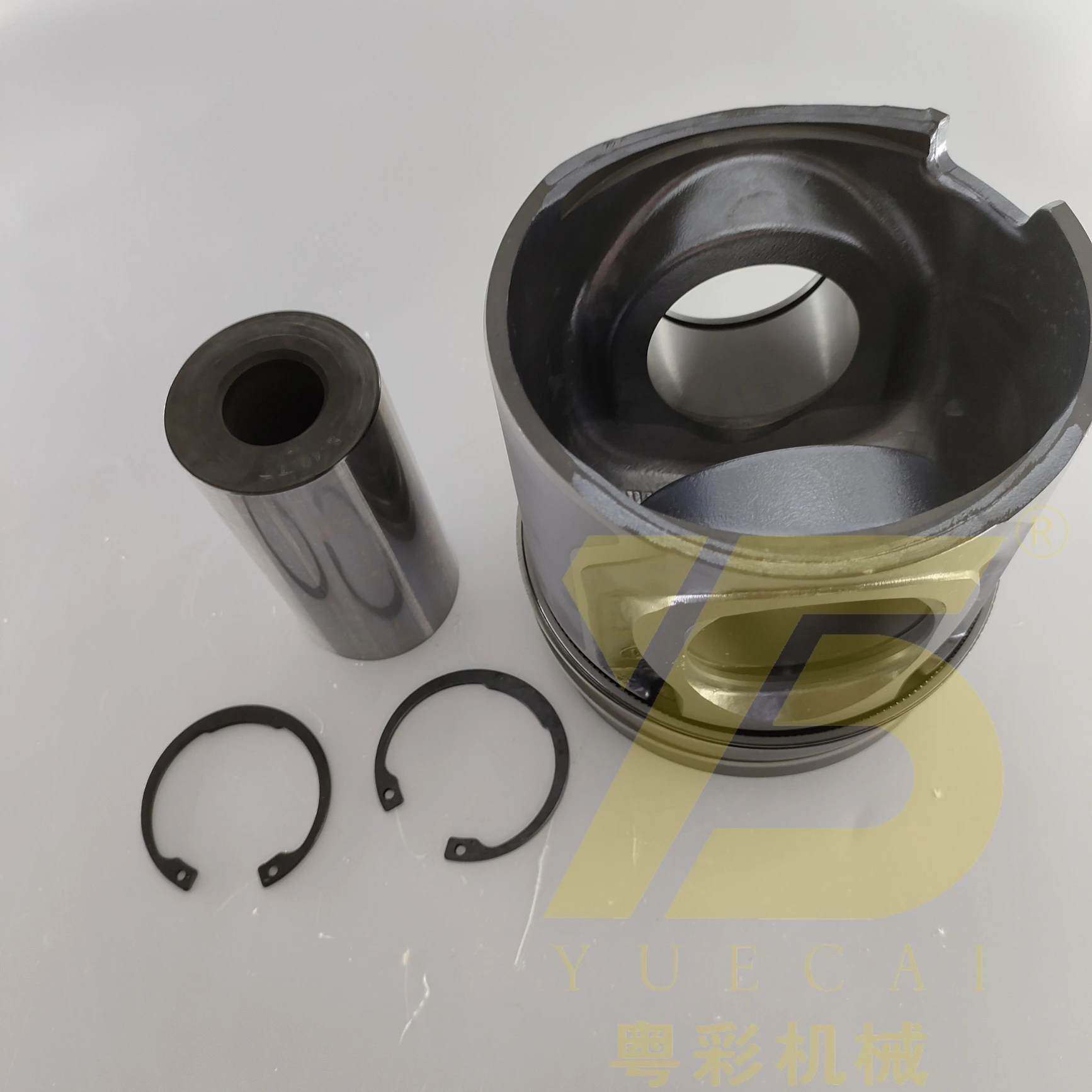
A liner kit is rarely just the liner. It usually bundles the cylinder liner or sleeve, the piston, piston rings, and the o-rings or seals that isolate the coolant jacket from the combustion chamber. Buying a liner alone and reusing old rings or seals is a common shortcut, and it's one of the fastest ways to see the same failure return within a few hundred hours.
Why Cylinder Liners Wear Out Unevenly
Liner wear rarely happens at a steady, predictable rate. Abrasive dust pulled through a worn or poorly sealed air filter scores the bore surface over time. Extended idling dilutes lubricating oil with unburned fuel, stripping the protective film off the cylinder wall. In wet-liner engines, coolant cavitation, tiny vapor bubbles collapsing against the outer liner wall, can pit the metal long before the inner bore shows any visible damage. That's why a liner can fail from the outside in, with no warning on a dipstick check.
Wet Liner vs Dry Liner: Which Does Your Engine Use
| Liner Type | Coolant Contact | Common In | Typical Wear Pattern |
|---|---|---|---|
| Wet liner | Direct contact with coolant | Many medium and large diesel engines | Outer cavitation erosion, inner bore scoring |
| Dry liner | Press-fitted, no direct coolant contact | Some smaller diesel and gasoline engines | Bore wear only, slower coolant-related failure |
Many heavy equipment diesel engines use wet liners, since the design simplifies cooling and allows a liner kit to be replaced without reboring the entire block. Confirm the liner type against the engine's parts manual before ordering, because kits are not interchangeable between the two designs.
How Do You Know a Liner Kit Needs Replacing
A few symptoms tend to show up together rather than alone:
- White or blue exhaust smoke that persists after warm-up
- Coolant loss with no visible external leak
- Oil that turns milky or smells faintly of fuel
- A compression test showing a noticeable difference between cylinders
Any single symptom could point to something else entirely, like an injector or a head gasket. Two or more together, especially on an engine past its rated overhaul interval, is a strong signal that the liner and piston assembly need attention.
How Much Does a Liner Kit Cost
Pricing depends heavily on engine model, liner type, and whether the block needs machining before the new liner seats correctly. Aftermarket kits typically run below OEM pricing, though the gap shifts with supply and raw material costs at any given time. Because figures move with the market, it's worth confirming current pricing directly with a supplier rather than relying on an old quote or a number seen months earlier.
Frequently Asked Questions
Does installing a liner kit require pulling the engine block?
Not always. Many engines allow liner replacement with the block still mounted, provided there's enough clearance to draw the piston and liner assembly upward. A block with severe scoring or cracking may still need full removal for proper inspection.
Is reboring necessary every time a liner kit is installed?
No. If the block's liner seating bore is within tolerance, a standard-size liner kit installs directly without machining. Machining only becomes necessary when the seating surface itself is damaged, or when the rebuild calls for an oversize repair approach.
Can a liner kit be reused after it's removed for inspection?
Generally, no. Once a liner has been pressed out, the seal between liner and block is disturbed and the rings lose their original seating pattern. Kits are built as one-time installation sets, not reusable components.
Choosing the right liner kit comes down to matching the exact engine model, serial number, and liner type before ordering, since a mismatched kit can cost more in downtime than the part itself. For us, supporting Caterpillar and Volvo engine components means cross-checking these specifications against original parts data before a liner kit ships, so operators get a set that fits correctly on the first attempt instead of a second one.
Related Blogs
-

Infrastructure Boom Drives Global Surge in Excavator Parts Demand
-
The Future Trajectory of the Excavator Industry: A Glimpse into the Upcoming Trends
-
The Future of Excavation: How Technology and Sustainability Are Reshaping the Industry
-
Optimize Excavator Output with a Durable and Intelligent Engine Controller System
-
Smart Excavator Engine Controller Upgrades for Better Control and Machine Stability
Give Us What You Need
SUBSCRIBE
INQUIRY