
Main Bearing Failure in Heavy Equipment Engines: Causes, Signs, and Costs
- seoapiuser
- 2026-07-30
- 1
A worn main bearing rarely announces itself with a single dramatic event. Instead, it builds quietly through hours of vibration, heat, and oil starvation until a diesel engine in an excavator or wheel loader starts knocking under load. For operators running Caterpillar or Volvo machines on tight schedules, understanding how a main bearing works, and what makes it fail, is the difference between a planned service stop and an unplanned engine teardown.
What Does a Main Bearing Do Inside the Engine?
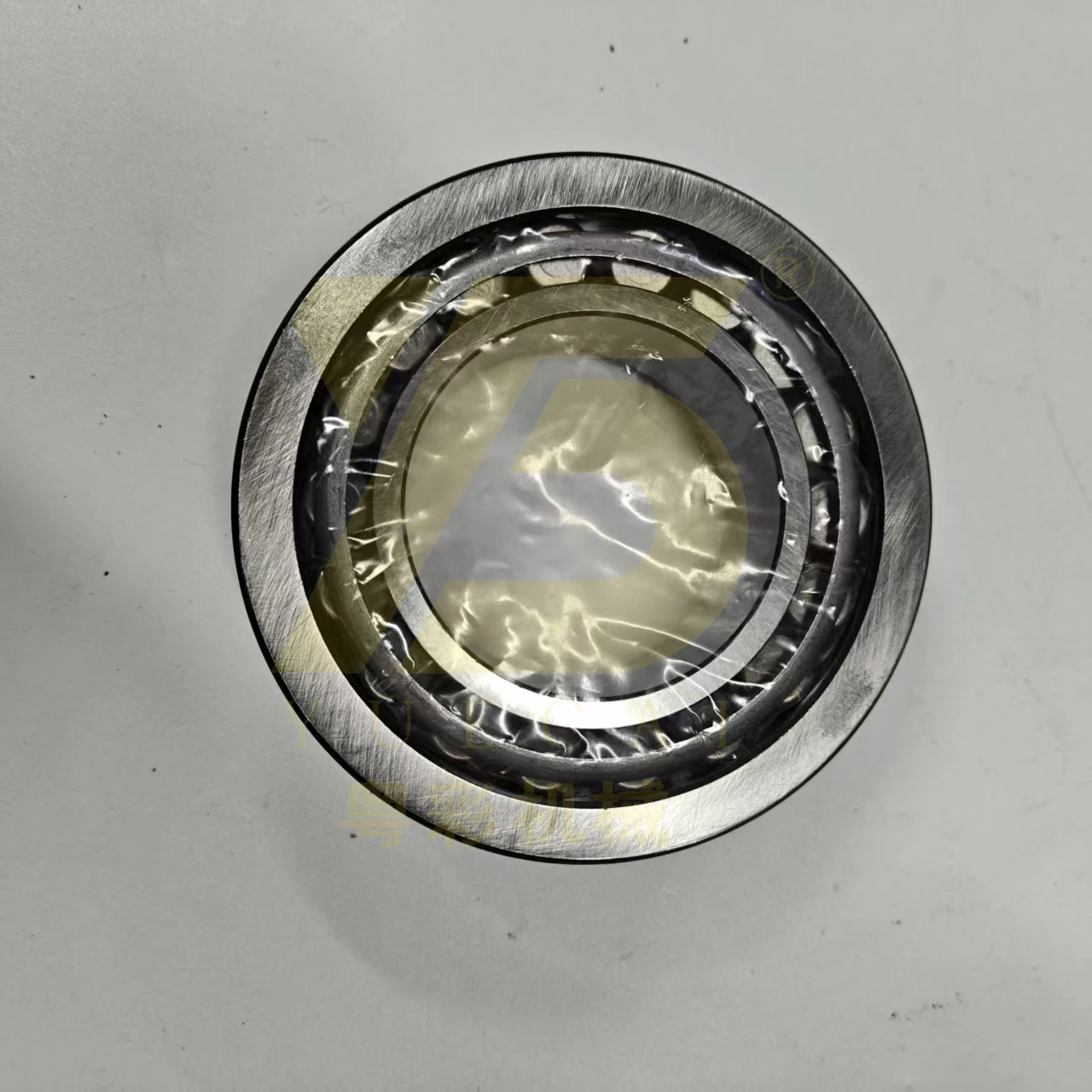
The main bearing sits between the crankshaft and the engine block, holding the crankshaft in position while it spins thousands of times per minute. It carries the combustion load transferred from the piston through the connecting rod, then spreads that force evenly across the block instead of letting it concentrate on bare metal.
A thin film of pressurized oil separates the bearing surface from the crankshaft journal. That film is the entire reason the bearing survives. Remove it, even for a few seconds, and metal starts grinding against metal.
Why Do Main Bearings Fail in Construction Equipment?
Most main bearing failures trace back to lubrication problems rather than the bearing material itself. Low oil pressure, contaminated oil, or extended service intervals under heavy dust conditions are the usual suspects on job sites.
Common failure triggers include:
- Oil pump wear reducing pressure at idle
- Dust or metal particles contaminating the oil supply
- Overheating from prolonged high-load operation
- Crankshaft misalignment after a previous rebuild
- Skipped or delayed oil change intervals
Heavy equipment engines are particularly exposed because they idle for long stretches, then jump to full torque without warm-up. That thermal swing stresses the bearing clearance more than steady highway driving ever would.
What Are the Early Signs of Main Bearing Wear?
A deep, rhythmic knocking sound that gets louder under acceleration is the classic symptom, but it usually shows up only after damage has already progressed. Earlier indicators are easier to miss.
| Symptom | Likely Cause |
|---|---|
| Low oil pressure warning at idle | Increased bearing clearance |
| Metallic flakes in oil filter | Bearing surface breaking down |
| Knocking noise under load | Advanced clearance, near failure |
| Rising oil temperature | Reduced film thickness, friction increase |
If any of these appear together, stopping the engine for inspection is worth more than pushing through the shift. Continuing to run a machine with metal-to-metal contact at the crankshaft can turn a bearing replacement into a full crankshaft or block repair.
How Much Does Main Bearing Replacement Cost?
Replacement cost depends heavily on engine size, labor rates in the region, and whether the crankshaft needs regrinding. Because pricing varies widely by market and machine model, it is best confirmed with a current quote from an engine specialist rather than a fixed number.
What generally drives the cost up is not the bearing part itself, which is inexpensive relative to the rest of the job, but the labor involved in removing the oil pan, exposing the crankshaft, and checking journal wear before reassembly.
How Often Should Main Bearings Be Checked?
There is no universal mileage or hour figure that applies across every Caterpillar or Volvo engine model, since intervals depend on the manufacturer's service schedule and operating conditions. As a practical habit, oil analysis at every scheduled oil change is one of the most reliable ways to catch bearing wear before it becomes audible.
Frequently Asked Questions
Can an engine keep running with a worn main bearing?
Technically yes, for a short time, but running on a compromised main bearing risks scoring the crankshaft journal. Once that happens, the repair scope shifts from a bearing swap to crankshaft machining or replacement.
Is a main bearing the same as a rod bearing?
No. The main bearing supports the crankshaft against the engine block, while the rod bearing sits between the connecting rod and the crankshaft. Both rely on the same oil film principle but fail from slightly different load patterns.
Main bearing problems are one of the more expensive engine issues to ignore, precisely because the damage compounds quietly. For teams sourcing genuine engine components and technical guidance for Caterpillar and Volvo machinery, working with a supplier that can verify part compatibility before shipment helps avoid installing a main bearing that does not match the original clearance specification.
Related Blogs
-

Infrastructure Boom Drives Global Surge in Excavator Parts Demand
-
The Future Trajectory of the Excavator Industry: A Glimpse into the Upcoming Trends
-
The Future of Excavation: How Technology and Sustainability Are Reshaping the Industry
-
Optimize Excavator Output with a Durable and Intelligent Engine Controller System
-
Smart Excavator Engine Controller Upgrades for Better Control and Machine Stability
Give Us What You Need
SUBSCRIBE
INQUIRY