
Swing Motor Functions and Benefits in Excavators
- jumi
- 2026-01-29
- 48
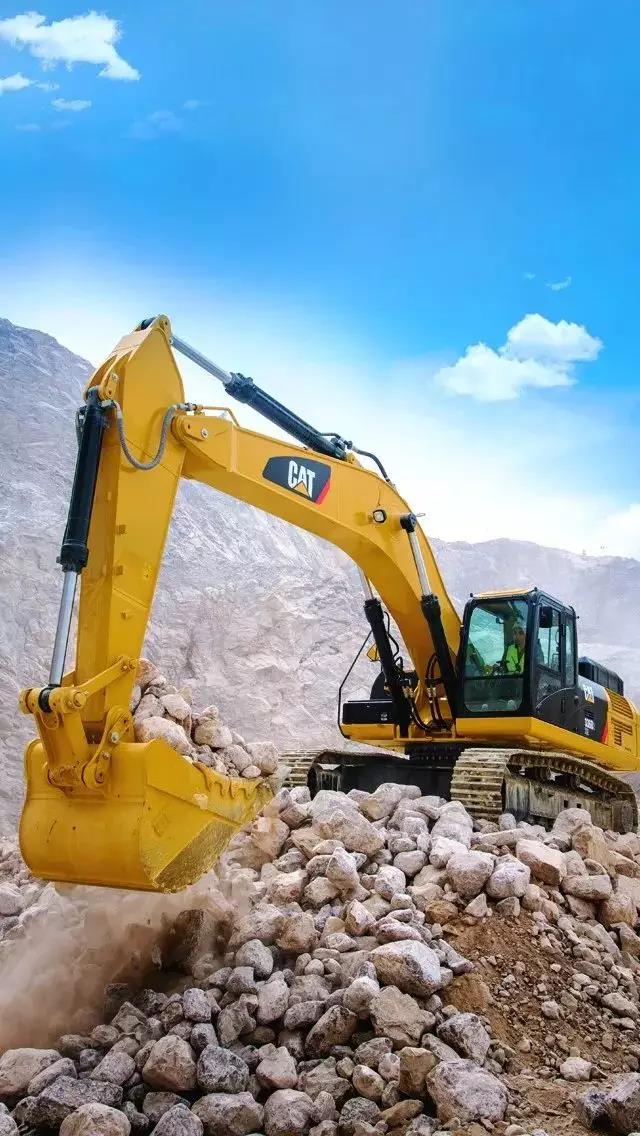
Excavators play a key role in modern construction, mining, infrastructure development, and material handling. Their versatility and efficiency come from the perfect interaction of multiple hydraulic and mechanical components. Among these components, the swing motor is one of the most critical, yet often overlooked, systems. It directly affects how smoothly, accurately, and safely an excavator operates on site.
This article explores the functions, working principles, and key benefits of swing motors in excavators, with a practical focus on swing motor spare parts and repair kits designed for excavator models such as the E320C. By understanding the importance of swing motors and maintaining them with quality components, equipment owners can distinctly improve machine performance and longevity.
Understanding the Role of the Swing Motor in an Excavator
The swing motor is a hydraulic-driven component responsible for rotating the upper structure of an excavator. Unlike the travel motors, which move the machine forward or backward, the swing motor allows the cab, boom, arm, and bucket to rotate horizontally relative to the undercarriage.
How a Swing Motor Works in a Hydraulic System
Hydraulic Power Conversion
Swing motors operate by converting hydraulic energy into mechanical rotation. Pressurized hydraulic oil flows into the motor, driving internal components such as the cylinder block, pistons, and rotating group. This process generates torque, which is transferred through a reduction mechanism to rotate the upper structure.
Coordination With the Slewing System
The swing motor works in coordination with the slewing ring, which supports the upper structure and allows it to rotate smoothly. Together, these components handle both moving loads and static weight during operation.
Core Functions of Swing Motors in Excavators
Enabling Smooth and Continuous Rotation
One of the primary functions of a swing motor is to provide continuous and controlled rotation of the excavator’s upper body. This capability allows operators to perform tasks such as digging and dumping in a continuous cycle, improving efficiency and reducing unnecessary machine movement.
Supporting Precision and Operator Control
Modern excavation work often requires high precision. Whether placing materials into a narrow trench or loading trucks efficiently, accurate control over swing movement is essential. The swing motor allows operators to adjust rotation speed smoothly, from slow, precise movements to faster repositioning. This responsiveness improves work accuracy and reduces material waste.
Handling Load Distribution and Stability
During rotation, especially when carrying heavy loads, the swing motor must manage torque evenly to avoid sudden shifts or instability. A properly functioning swing motor distributes forces smoothly across the excavator’s structure, protecting other components from excessive stress.
Enhancing Safety on the Job Site
Controlled rotation contributes directly to job site safety. Sudden or uncontrolled swing movements can pose risks to operators, nearby workers, and surrounding structures.
Importance of High-Quality Swing Motor Spare Parts
Maintaining Hydraulic Efficiency
Hydraulic systems rely on tight tolerances and consistent oil flow. Internal components such as cylinder blocks play a key role in maintaining pressure and efficiency inside the swing motor.
Extending Service Life
Wear and tear are inevitable in heavy-duty machinery. However, the timely replacement of worn swing motor components can remarkably extend the overall service life of the motor.
Reducing Downtime and Maintenance Costs
Unplanned downtime can disrupt project schedules and increase operating expenses. By maintaining swing motors with reliable spare parts, equipment owners can reduce the risk of unexpected failures.
Key Benefits of a Well-Maintained Swing Motor
Improved Operational Efficiency
A smooth and responsive swing motor enables faster work cycles. Operators can complete digging, lifting, and dumping tasks more quickly, increasing overall job site output.
Better Fuel Utilization
Hydraulic efficiency plays a role in fuel consumption. When swing motors operate smoothly and without internal leakage, the excavator’s hydraulic system requires less energy to perform the same tasks.
Enhanced Operator Comfort
Jerky or inconsistent swing motion can cause operator fatigue and discomfort. Smooth rotation improves machine handling and creates a more comfortable working environment, especially during long shifts.
Lower Total Cost of Ownership
Investing in quality swing motor maintenance reduces the likelihood of major component failures. This approach lowers repair expenses, extends machine lifespan, and helps protect the overall value of the excavator.
Common Applications Where Swing Motors Add Value
Construction and Earthmoving
In construction projects, swing motors enable efficient digging and material placement without constant repositioning. This is especially valuable in confined or busy job sites.
Demolition and Recycling
During demolition work, controlled rotation allows operators to move debris safely and efficiently. Swing motors help manage heavy loads while maintaining stability.
Infrastructure and Utility Work
Precise swing control is essential for trenching, pipeline installation, and utility maintenance. Accurate rotation reduces the risk of damaging surrounding structures or utilities.
Conclusion
The swing motor is a fundamental component that defines an excavator’s flexibility, efficiency, and safety. By enabling smooth rotation, precise control, and stable load handling, it supports a wide range of demanding applications across construction and industrial environments.
Maintaining swing motors with properly designed spare parts and repair kits is essential for preserving performance and extending equipment lifespan. For excavators operating under heavy workloads, proactive swing motor maintenance is not only a technical requirement—it is a strategic investment in productivity, reliability, and long-term operational success.
Related Blogs
-

Infrastructure Boom Drives Global Surge in Excavator Parts Demand
-
The Future Trajectory of the Excavator Industry: A Glimpse into the Upcoming Trends
-
The Future of Excavation: How Technology and Sustainability Are Reshaping the Industry
-
Optimize Excavator Output with a Durable and Intelligent Engine Controller System
-
Smart Excavator Engine Controller Upgrades for Better Control and Machine Stability

Give Us What You Need
SUBSCRIBE
INQUIRY