
Understanding Heavy Equipment Piston Failure: Causes and Diagnostic Indicators
- jumi
- 2026-06-30
- 22
The roar of a diesel engine is the heartbeat of a construction site. Yet, when abnormal noises disrupt this rhythm, a heavy-duty piston is often dying.
Beneath the heavy cylinder head, this rapidly reciprocating block of metal faces unimaginable extremes. Mechanical forces and thermal loads wage a brutal, unseen war inside.
Most operators believe forged alloys are indestructible under normal conditions. In reality, sustained friction and blistering temperatures soften the hardest steel like warm butter.
Diagnosing these internal failures resembles a surgeon reading a faint pulse. You do not need to blindly replace the entire power plant immediately.Reading the scars on the metal surface provides a cure for the root cause. This insight separates expensive guesswork from precise, surgical maintenance.
Thermal Stress and Crown Cracking
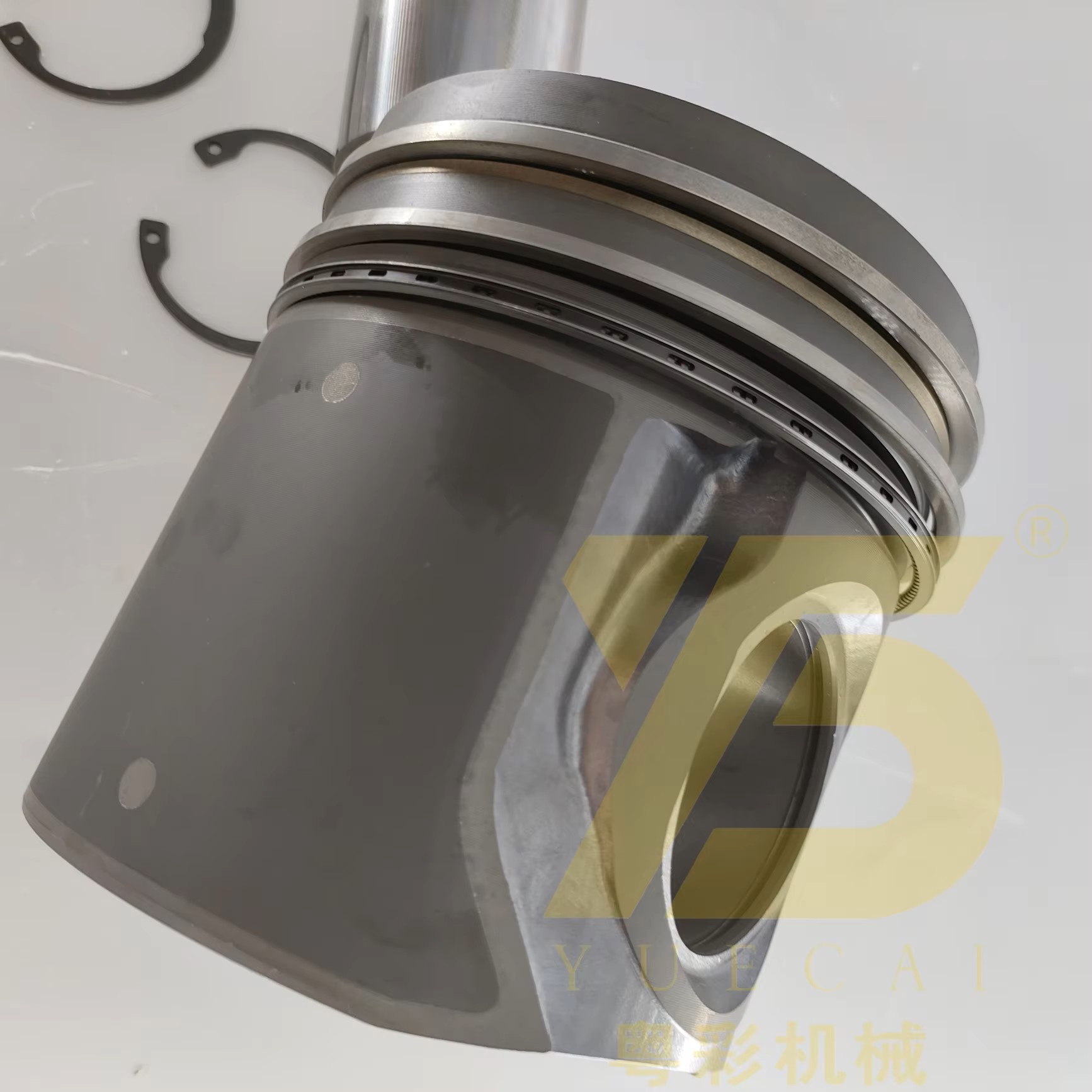
The crown of the assembly stares directly into the violent storm of combustion. It acts as the absolute epicenter for intense heat accumulation.When temperature gradients fluctuate wildly across microscopic distances, the internal atomic structure begins to tear. This silent destruction happens long before alarms sound.
Thermal cracking usually originates right at the edge of the combustion bowl. It looks like a dried, fractured riverbed baking under a ruthless sun.
Uneven fuel spray patterns from failing injectors cause these localized hotspots. The resulting radial fractures spread outward with an unforgiving, mechanical inevitability.
Inadequate cooling represents another highly destructive, invisible assassin in the dark.
If oil cooling nozzles become clogged with sludge, the internal cavity loses critical heat dissipation. The resulting deep circular cracks are absolutely fatal.Swapping out the damaged hardware without recalibrating the fuel injection system guarantees failure. The tragedy simply repeats itself after a few hundred operating hours.
Piston Skirt Scuffing and Lubrication Gaps
While the crown battles relentless fire, the skirt fights a continuous duel with friction. Speed and surface tension dictate survival in this narrow cylinder.
Under ideal parameters, a microscopic film of oil perfectly separates the skirt from the liner. This is the delicate, invisible magic of hydrodynamic lubrication.
When extreme thermal shear causes that oil viscosity to break down, the balance vanishes. Bare metal violently collides with bare metal in the darkness.
The resulting flash temperatures instantly micro-weld and tear the friction surfaces apart. Deep, rough vertical scuffing marks are left permanently etched into the metal.
Particle contamination provides physical evidence of hard abrasives raging across the wear layer. A failed air filter introduces deadly silica directly into the crankcase.
These tiny quartz intruders act like miniature lathe tools during high-speed reciprocation. They aggressively gouge the protective coating until the bare substrate is exposed.
Inadequate assembly clearance is equally fatal for these massive industrial machines. In professional maintenance, a single thousandth of a millimeter dictates life or death.Without sufficient spatial allowance for thermal expansion, the metal rapidly swells. The skirt will eventually seize violently inside the engine block.
Precision Ring Groove Wear Dynamics
The ring grooves act as the final, critical seal for engine compression. Though hidden, they endure punishing impacts and micro-sliding under massive pressure.
The gradual deterioration of this channel is a highly insidious, chronic disease. As the groove widens over time, the ring begins to tilt dangerously.This geometric distortion initiates a destructive oil-pumping phenomenon during the stroke cycle. High-pressure combustion gases escape downward, resulting in severe crankcase blow-by.
You might suddenly notice abnormally high pressure building in the lower oil pan. Simultaneously, thick blue smoke billows violently from the exhaust pipe.That blue haze is the undeniable signal of oil burning in the chamber. The effective power output of the machine drops off a cliff.
Traditional visual inspections are useless against this precision wear dynamic. Only micrometer-level flatness ensures the compression rings remain stable during grueling earthmoving operations.
To help field technicians quickly interpret these failure modes, a structural matrix is essential. Recognizing visual indicators accelerates precise, targeted troubleshooting.
| Diagnostic Region | Visual Indicators | Root Causes |
|---|---|---|
| Crown Area | Radial/circular cracks, local melting | Poor fuel atomization, clogged cooling jets, thermal stress |
| Piston Skirt | Vertical scuffing, worn coating | Viscosity failure, silica contamination, tight clearances |
| Ring Groove | Widened channel, stepped wear | High-frequency impact, blow-by gases, dirty oil |
For us, specializing in the R&D and technical service of heavy machinery components means obsessing over tolerances. Every micron directly influences the machine's lifespan.
Based in Guangzhou's massive industrial hub, we maintain highly strict supply chain logistics. This infrastructure allows rapid deployment of critical ECU, ECM, and injector systems.
Timely access to these precision control units prevents cascading mechanical failures. Your fleet's primary power source remains safely insulated from abnormal, premature wear.Daily operation of heavy construction machinery allows absolutely no room for unexpected downtime. Every high-load job site relies on the flawless health of internal engine components.
Decoding the language hidden within those metallic scars empowers fleet managers. They can execute proactive maintenance decisions long before a catastrophic engine failure strikes.
This level of mechanical insight is the true foundation of maximizing investment returns. Methodical inspections and restrained adherence to technical specifications build lasting reliability.
Related Blogs
-

Infrastructure Boom Drives Global Surge in Excavator Parts Demand
-
The Future Trajectory of the Excavator Industry: A Glimpse into the Upcoming Trends
-
The Future of Excavation: How Technology and Sustainability Are Reshaping the Industry
-
Optimize Excavator Output with a Durable and Intelligent Engine Controller System
-
Smart Excavator Engine Controller Upgrades for Better Control and Machine Stability


Give Us What You Need
SUBSCRIBE
INQUIRY